“Within the CNDD-FDD party, every day is a campaign. Burundians are sufficiently informed about our policies. During election campaigns, it is more about entertainment, where people dance and enjoy themselves.”
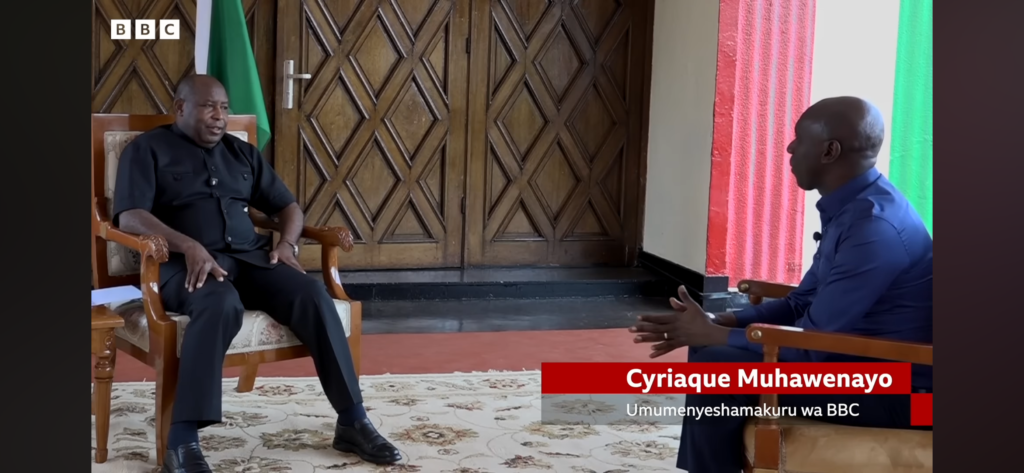
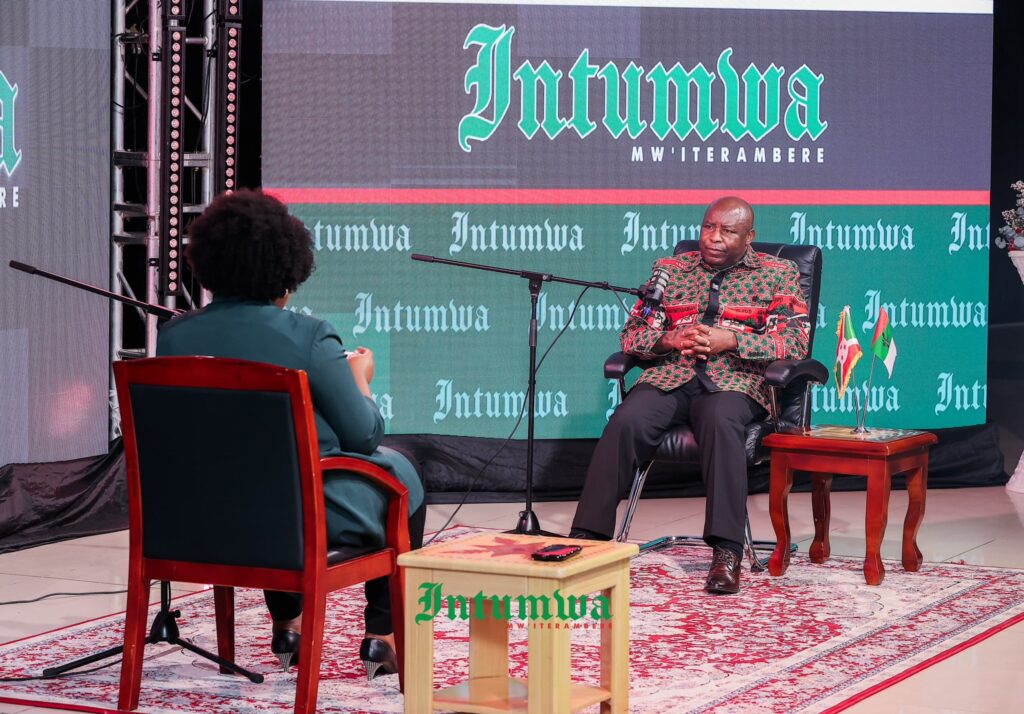
This statement was made by Burundian President Evariste Ndayishimiye during an exclusive interview with Intumwa on May 28, 2026 (from 1:40:07-1:43/00).
However, an examination of economic and social indicators published by national institutions and international organizations suggests that Burundi continues to face significant development challenges, raising questions about whether electoral campaigns should primarily serve as moments of celebration or opportunities for substantive policy debate.
Economic Challenges Remain Significant
Since taking office in 2020, President Ndayishimiye has repeatedly pledged to tackle youth unemployment, reduce poverty, improve governance, and accelerate economic growth.
Despite these commitments, Burundi continues to face structural economic constraints. Energy shortages have become one of the most visible challenges affecting both households and businesses. Limited electricity supply has disrupted economic activity, increased production costs, and constrained private-sector growth.
According to the World Bank, Burundi remains among the poorest countries in the world in terms of GDP per capita. The institution notes that economic growth continues to be hindered by infrastructure deficits, low productivity, foreign exchange shortages, and vulnerability to external shocks.
The International Monetary Fund (IMF) has similarly highlighted macroeconomic pressures, including inflation, fiscal constraints, and shortages of foreign currency that affect imports and business operations.
Human Development Indicators Raise Concerns
The findings of Burundi’s National Human Development Report 2024–2025 further underscore the scale of the challenges facing the country.
Food security remains a major concern. According to Burundi’s 2024 National Nutrition Survey, approximately 53 percent of children under the age of five suffer from stunting, while 59 percent are affected by anemia. These figures place Burundi among the countries with the highest rates of chronic child malnutrition globally.
The report attributes these outcomes to persistent poverty, limited economic development, inadequate dietary diversity, and the prevalence of disease.
The World Food Programme (WFP) reports that more than 1.9 million people in Burundi face crisis levels of food insecurity and identifies inflation, fuel shortages, and declining purchasing power among the principal drivers of vulnerability.
The Integrated Food Security Phase Classification (IPC) also estimated that more than one million Burundians experienced acute food insecurity during recent assessment periods, with projections indicating further deterioration in several provinces due to economic pressures and climate-related shocks.^6
UNICEF and the United Nations Development Programme (UNDP) continue to identify child nutrition, food security, health, education, and poverty reduction as priority development challenges in Burundi.
Parliamentarians Report Similar Concerns
The concerns identified by international organizations are echoed in findings presented by Burundian lawmakers themselves.
During the parliamentary plenary session of May 28, 2026, dedicated to reports from parliamentary oversight missions, members of Parliament highlighted numerous obstacles affecting development programs and public service delivery.
Among the challenges identified were delays in fertilizer distribution, shortages of essential medicines, the departure of skilled professionals from the health and education sectors, judicial delays, inadequate teaching materials, poor road infrastructure in several communes, fuel shortages contributing to higher prices, electricity deficits, unfinished administrative infrastructure, and limited access to safe drinking water.
These concerns directly affect citizens’ daily lives and influence living standards, economic opportunities, and access to basic services.
What Do Democratic Campaigns Typically Focus On?
In most democratic systems, election campaigns are intended to provide voters with opportunities to compare competing political visions, policy proposals, and development strategies.
Political science literature generally views electoral campaigns as periods during which candidates present solutions to challenges such as economic growth, employment, healthcare, education, infrastructure, governance, and public service delivery.
While public rallies often include music, cultural performances, and festive activities, these elements typically accompany broader political discussions rather than replace them.
Verdict
President Evariste Ndayishimiye’s statement that election campaigns are largely moments of entertainment and celebration reflects a political opinion rather than a verifiable factual claim.
However, available evidence from Burundi’s National Human Development Report, parliamentary oversight findings, the World Bank, IMF, WFP, UNICEF, UNDP, and IPC assessments indicates that the country continues to face substantial socio-economic challenges.
Issues such as food insecurity, chronic malnutrition, energy shortages, inflation, purchasing power, healthcare access, educational quality, and infrastructure development remain major concerns for a significant portion of the population.
As Burundi approaches another electoral cycle, the available evidence suggests that the campaign period is likely to be more than a moment of entertainment. It also represents a critical opportunity for political actors to present concrete solutions to the challenges documented by both national institutions and international development partners.
References
- World Bank. Burundi Economic Updates. https://www.worldbank.org/en/country/burundi
- World Bank Data Portal – Burundi. https://data.worldbank.org/country/burundi
- International Monetary Fund (IMF), Burundi Country Reports. https://www.imf.org/en/Countries/BDI
- Burundi National Human Development Report 2024–2025 and National Nutrition Survey 2024.
- World Food Programme (WFP) – Burundi Country Brief. https://www.wfp.org/countries/burundi
- Integrated Food Security Phase Classification (IPC), Burundi Acute Food Insecurity Analysis. https://www.ipcinfo.org/ipc-country-analysis/details-map/en/c/1159737/
- UNICEF Burundi. https://www.unicef.org/burundi and UNDP Human Development Reports. https://hdr.undp.org
- National Assembly of Burundi, Parliamentary Oversight Reports and Plenary Proceedings, May 2026.
- International IDEA. Electoral Processes and Democratic Participation. https://www.idea.int