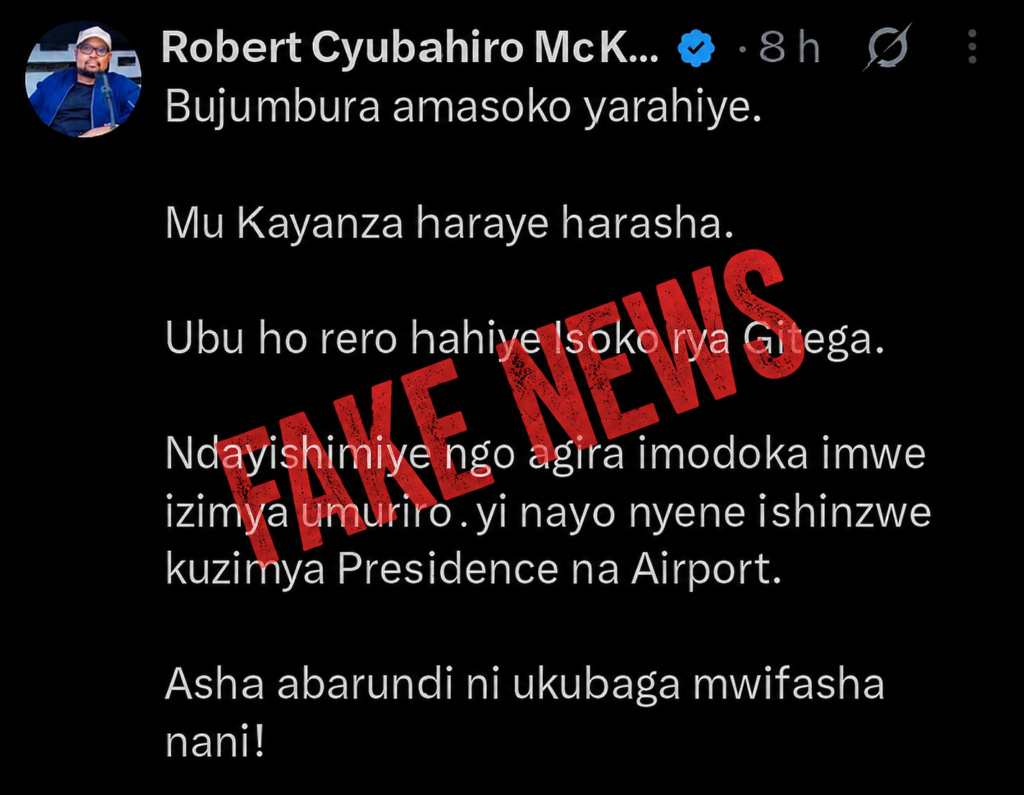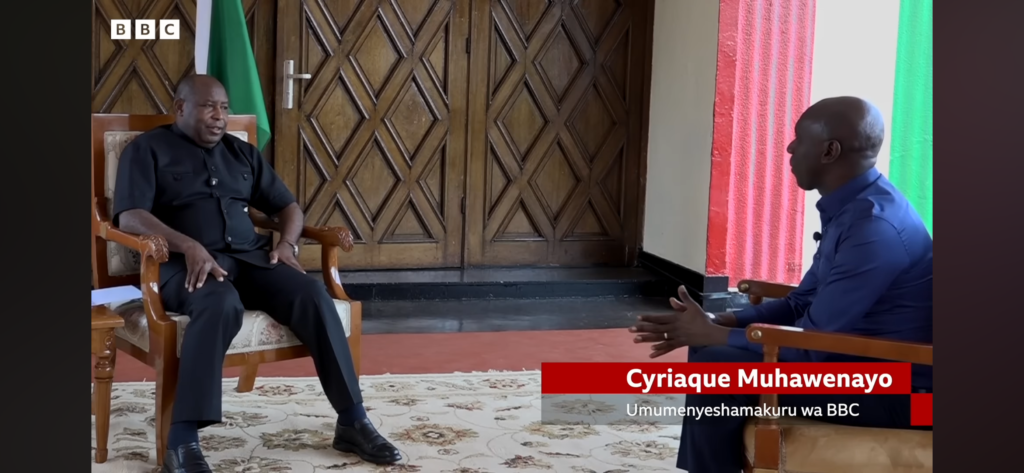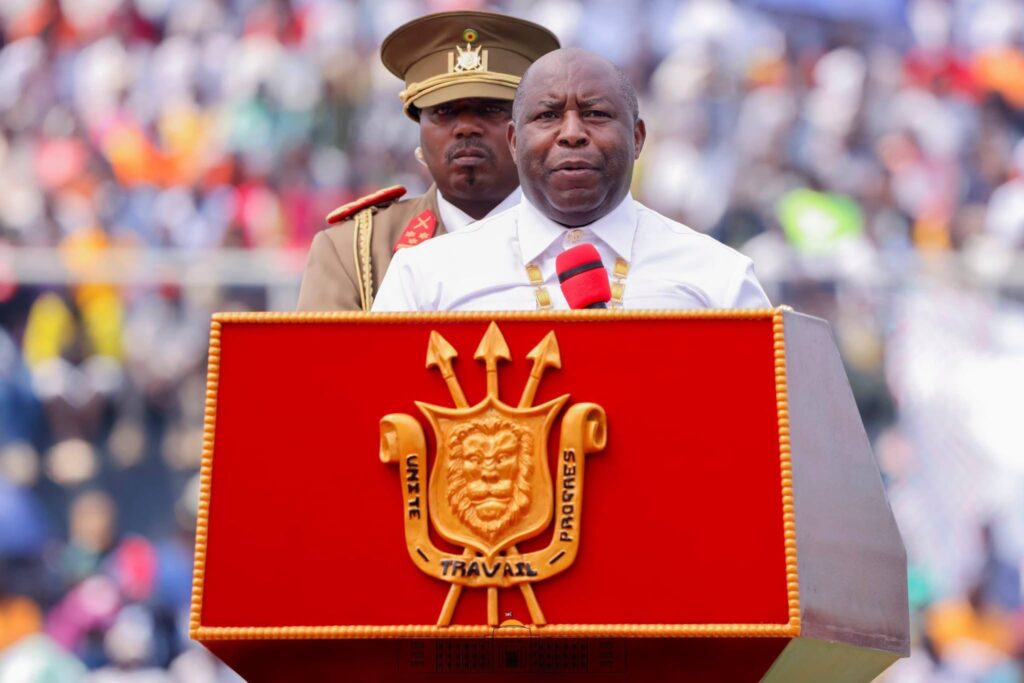
Burundi’s Constitution does not require citizens or market traders to finance public firefighting equipment. Instead, it assigns responsibility for public administration and the protection of people and property to the State. While citizens are constitutionally required to pay taxes, no constitutional provision obliges them to purchase fire engines or other public emergency equipment.
Claim
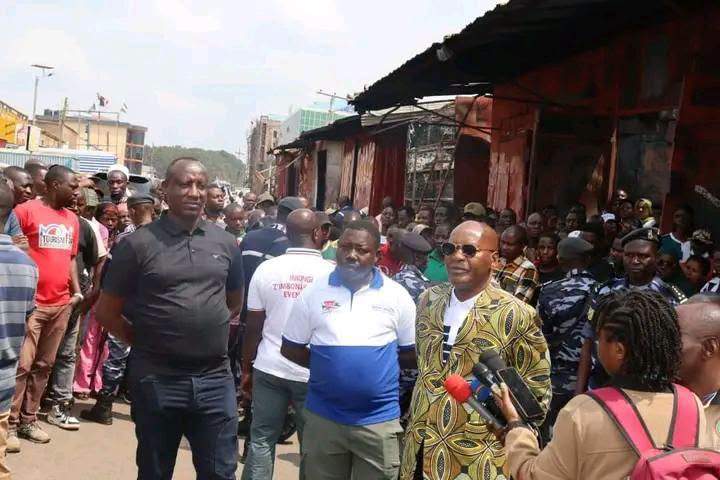
Following a devastating fire that destroyed a significant portion of the central market in Ngozi on July 9, 2026, Burundi’s National Assembly President, Gélase Ndabirabe, told affected traders that one of their “mistakes” was failing to collectively purchase fire trucks.
Addressing victims at the market, he said:
“You should have insured your property and your health. Very few of you did. Another mistake is that you did not buy fire trucks. You paid for your goods, but you could have united and bought two or three fire trucks.”
He also acknowledged that several markets in the Butanyerera province do not have firefighting vehicles.
The remarks quickly sparked public debate over whether responsibility for firefighting equipment rests with citizens or the State.
What happened?
On the evening of July 9, 2026, a fire swept through the central market of Ngozi.
The incident is one of several market fires recorded across Burundi since the beginning of 2026. Fires have affected the markets of Kinama, Cibitoke, Jabe, Bujumbura Super Market (commonly known as Kwa Siyoni) and Ngozi.
Authorities have not publicly announced the causes of these fires.
After the Kinama market fire on April 7, 2026, civil society organizations called for investigations into the repeated incidents and urged authorities to strengthen fire prevention measures.
What does the Constitution say?
Our review of Burundi’s Constitution found no provision requiring citizens, traders or market associations to purchase firefighting equipment.
Instead, several constitutional provisions assign responsibilities to the State.
Article 70
Article 70 requires citizens to fulfill their civic obligations, including paying taxes.
It states that all citizens are equal before public charges, establishing taxation as a constitutional obligation.
However, the article does not require taxpayers to finance public emergency infrastructure directly.
Article 14
Article 14 guarantees every Burundian the right to live in peace and security.
This places responsibility on public authorities to protect people and property.
Article 17
Article 17 assigns government responsibility for improving citizens’ quality of life and protecting them from fear and insecurity.
Although it does not specifically mention firefighting, disaster prevention and emergency response fall within the broader responsibilities of public administration.
Article 182
Article 182 assigns the National Assembly oversight responsibility over government action.
This includes scrutinizing government policies and public spending.
Who approves funding for disaster management?
The National Assembly itself adopts Burundi’s annual State budget.
The 2026–2027 Finance Law, approved in June 2026, allocated approximately 7.7 billion Burundian francs for disaster management and civil protection.
Of that amount, nearly 6.3 billion francs was allocated to the National Disaster Prevention and Management Fund.
Those allocations were approved after the Kinama market fire had already occurred, meaning lawmakers had an opportunity during the budget process to debate whether additional funding should be directed toward fire prevention and emergency response.
Whether those appropriations are sufficient is a policy question rather than a factual one.
Analysis
Mr. Ndabirabe’s statement that traders should have collectively purchased fire trucks reflects a policy opinion rather than a constitutional or legal obligation.
No constitutional provision reviewed during this fact check requires citizens to acquire public firefighting equipment.
Instead, Burundi’s constitutional framework assigns public administration, security and management of State resources to government institutions financed through public revenue.
Citizens already contribute through taxes, while Parliament is responsible for approving national expenditure and overseeing government action.
Verdict: Unsupported
The Constitution of Burundi does not require market traders or citizens to purchase fire trucks.
Available constitutional provisions instead assign responsibility for public administration, public expenditure and the protection of people and property to the State.
While citizens have a constitutional duty to pay taxes, no constitutional article requires them to directly finance public emergency equipment such as firefighting vehicles.
——
Sources
- Constitution of the Republic of Burundi (Articles 14, 17, 70 and 182)
- Burundi Finance Law 2026–2027
- Independent National Human Rights Commission (CNIDH) statement on the Ngozi market fire
- Public remarks by National Assembly Speaker Gélase Ndabirabe following the July 9, 2026, fire at Ngozi Central Market
- Iwacu
- Irebe FM
- Yaga
- Burundi Eco
- RPA